Retail business advisory means bringing in outside help to fix how a store runs: how the team sells, how stock moves, how numbers reach the owner, and how much of the business sits in one person’s head. A good retail consultant doesn’t hand over a report and leave. They stay until the change shows up at the counter.
We have worked in retail since 2000, mostly with jewellers, and today we work with jewellery and retail businesses across India. Here is what the work involves, when a store needs it, and what to ask before you hire anyone, including us.
What Is Retail Business Advisory?
Your CA handles accounts and tax. Your software vendor handles the ERP. An agency handles campaigns. Nobody looks at how it all fits together on an ordinary Tuesday afternoon, when a customer walks in and your team has to sell, bill, record and follow up. That is the gap a retail consultant fills.
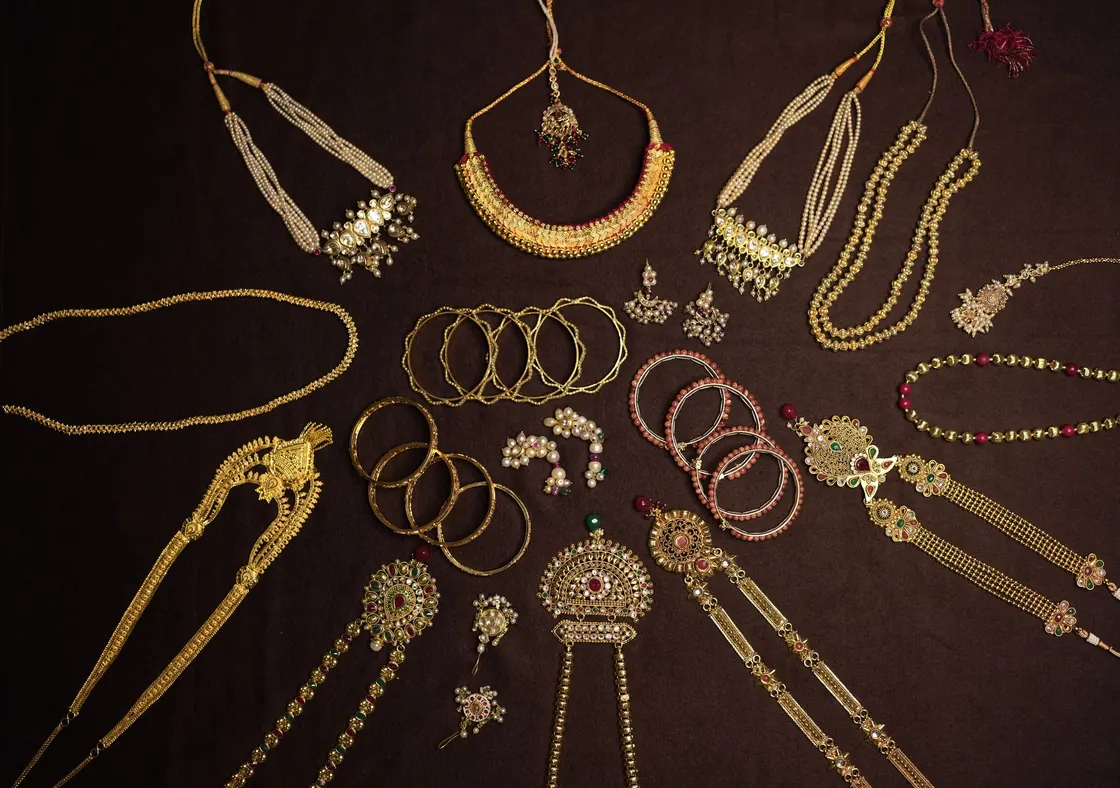
Jewellery makes this harder. Stock is valued by weight, the gold rate moves every day, old-gold exchange comes up in most sales, custom orders go out to karigars, and the whole business runs on trust. Advice written for a garment chain or a supermarket misses most of this.
Signs Your Store Needs a Retail Consultant
Owners rarely go looking for a consultant. They call one when the same problems keep coming back. The ones we hear most often:
- Footfall is fine, sales are flat. People walk in, look and leave. Nobody can say why.
- Everything waits for the owner. Rates, discounts, approvals, difficult customers. When the owner travels, the store slows down.
- Too much stock, wrong stock. Old designs sit in the safe while the weights and styles customers ask for run out.
- The numbers come late or don’t match. The ERP says one thing, the counter says another, so decisions go on gut feel.
- Every resignation resets the store. A senior salesperson leaves and takes their customers and their way of working along.
- You are planning to grow. A second showroom, a franchise, a new format or selling online needs systems a single store got by without.
- The next generation has joined. They want data, structure and clear roles. The business still runs on relationships and memory.
Tip: if two or three of these sound familiar, start with a diagnosis, not a big project. Fixing the right problem first saves money.
What a Retail Consultant Actually Does
Less advice, more working through problems with your team. We use four stages, set out on our approach page.
1. Understand
We spend time in the store: at the counters, in the back office, with the owner, managers and staff. We read the sales, stock and system reports, and ask where the business wants to be in a few years.
2. Diagnose
Then an honest picture. Where are walk-ins being lost? Which stock is ageing? Where can cash or metal leak? Which processes live only in someone’s memory? A diagnosis also says what to fix first, because you can’t fix everything at once.
3. Design
Solutions are built around how your store works, not a template: SOPs and policies, staffing and KRAs, stock norms, merchandising plans, dashboards, an expansion plan. We agree them with you and turn them into a roadmap with names and dates.
4. Enable
This is where the value is. We train your team, support the roll-out, track progress, and adjust the plan as the business changes.
A few things we agree up front. Goals, timelines and scope are written down before we start. You get one point of contact. Progress is tracked at every stage. We sign an NDA if you want one. And support continues after the project ends.
What the Work Usually Covers
Most projects touch two or three of these at once. SOPs, training and the ERP often go together.
- Store operations, policies and SOPs. How selling, stock, cash, old gold, approvals and custom orders are run, written down and followed. See policies and SOP designing and our guide to SOP consulting for jewellery and retail stores.
- People, sales and training. Manpower planning, KRAs and KPIs, and sales, product, SOP and policy training. Our guide to jewellery sales training shows what this looks like at the counter.
- Inventory and visual merchandising. Stock norms, ageing, replenishment, and putting the right pieces in front of the right customer.
- Business model and strategy. Where the business is going and how it will make money as it grows. See business model and strategy and business plan.
- Expansion. A new showroom, a new retail venture or a franchise model.
- ERP, MIS and dashboards. The system should match the process and give the owner the right numbers on time. See our ERP review.
- Digital marketing and e-commerce. Online visibility and enquiries that bring people to the store. See digital marketing and e-commerce sales and crafting visual stories.
How to Choose a Retail Consultant
The biggest name isn’t always the right fit. Ask these before you sign:
- Have you worked in my category? Someone who already understands gold rates, hallmarking, old-gold exchange and karigar job work needs far less of your time.
- Who will actually work on my business? Get a name, and ask how often they will be in the store.
- Will you help implement, or only recommend? A plan nobody rolls out changes nothing.
- How are scope, timelines and progress agreed? In writing, before the start, with regular reviews.
- How will you protect our data? You will be sharing sales, stock and margins. Ask about confidentiality and an NDA.
- What happens after the project? Ask whether support continues.
- Who have you worked with? Ask for relevant work. Some clients prefer not to be named, and that is normal.
Be wary of anyone who has a ready-made solution before seeing your store, or promises a growth number before diagnosing anything.
The First 90 Days
Every project is different, and timelines depend on the scope you agree. As a rough guide:
| Period | Focus | What you might see |
|---|---|---|
| First 30 days | Understand and diagnose | Store visits, conversations with owners and staff, a look at sales, stock and system reports. Findings shared, priorities agreed. |
| Days 31 to 60 | Design and first changes | Roadmap agreed, first SOPs and checklists drafted, quick fixes started, training begins. |
| Days 61 to 90 | Roll-out and review | Changes rolled out across counters or stores, progress tracked, a first review of what is working. |
A new showroom or a franchise model takes longer. Either way, you should always know what is happening, who owns it and how progress is measured.
Frequently Asked Questions
How much does a retail consultant cost?
It depends on scope: how many stores and functions, how much training and implementation support, and whether you want support after the project. We share a scope and proposal once we understand your business. Book a consultation to talk it through.
Is retail business advisory only for large chains?
No. Single-store retailers often gain the most, because so much depends on the owner and a few senior staff. The work is sized to the business. A small store may need only a few focused changes.
We are a family business. Will a consultant understand how we work?
A good consultant works with how your family runs the business, not against it. Most of the work is clear roles, simple systems and better information, so owners and the next generation can decide together. Everything stays confidential, and we sign an NDA if you want one.
Does APJ Advisory work with retailers outside Mumbai?
Yes. We are based in Mumbai and work with jewellery and retail businesses across India. Store visits and reviews are planned around your location and the scope, and agreed before the project starts.
How long does a retail advisory engagement take?
It depends on what needs to change. A few processes take less time than a full operations overhaul, a new showroom or a franchise model. Scope and timelines are agreed before we start, and progress is tracked throughout.
Will you only give recommendations, or help us implement them?
We help implement them. The last stage of our approach is Enable: training your team, supporting the roll-out and reviewing what works. Support continues after the project ends.
Quick question? Ask Khushi, our website assistant, using the button at the bottom-right of this page. She answers in English or Hindi and can book a consultation for you.